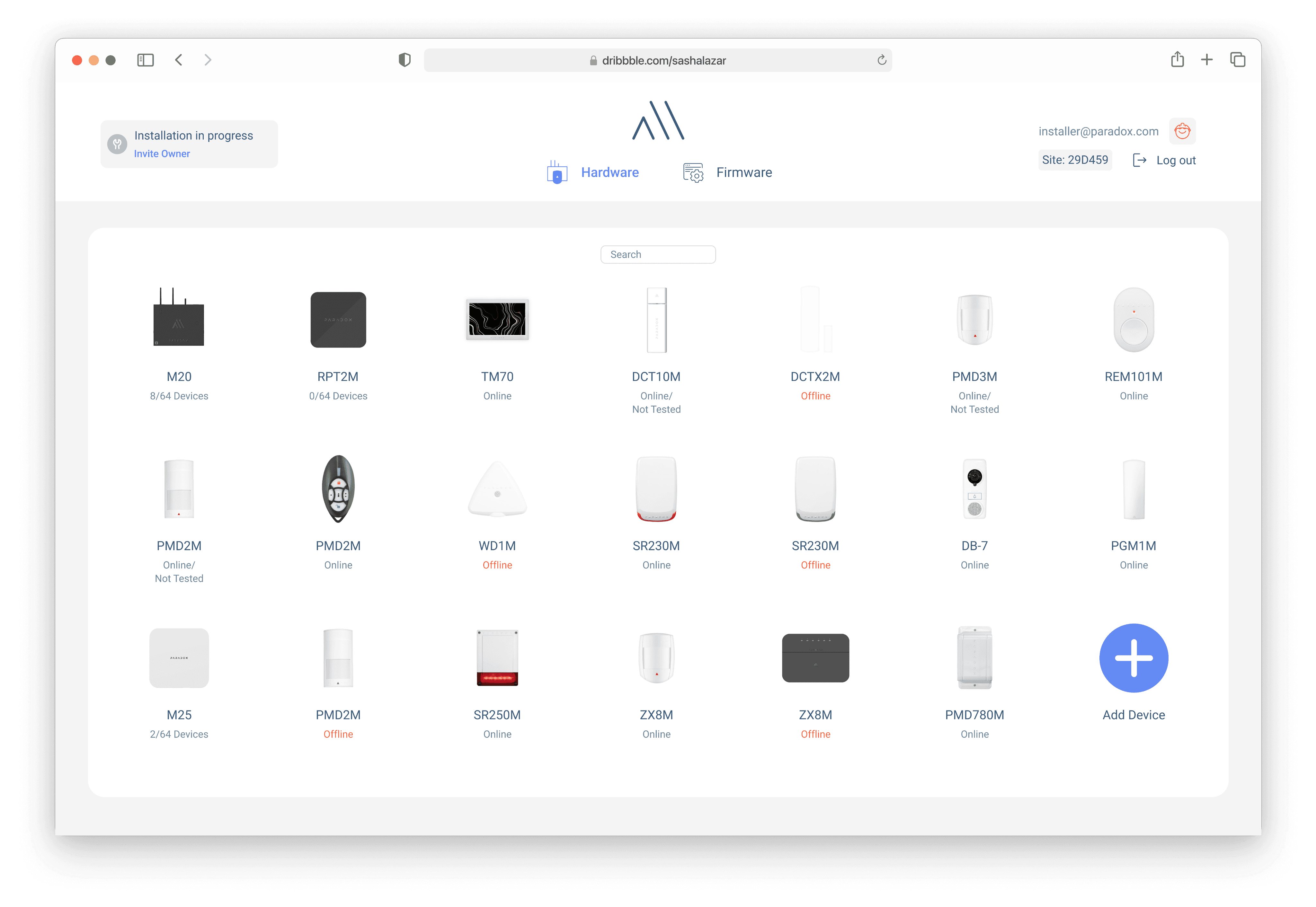
PC Software
is a professional PC software platform designed for security system installers and technicians. It allows users to configure, monitor, diagnose, and maintain alarm systems, cameras, automation devices, and connected security hardware from a single workspace.
The platform streamlines complex installation workflows by combining device management, live system status, remote access, firmware updates, troubleshooting tools, and configuration settings into one unified experience. Designed for both on-site and remote work, the software helps installers manage multiple systems more efficiently while reducing setup time and simplifying technical operations. The focus was creating a fast, reliable, and scalable experience for professional security environments.
Platform
Desktop
Year
2026
Collaborators
Development, QA, Brand Design
The Challenge
How might we bring a mobile-first installer tool to desktop without losing speed, clarity, or simplicity?
I was given the following needs and constraints:
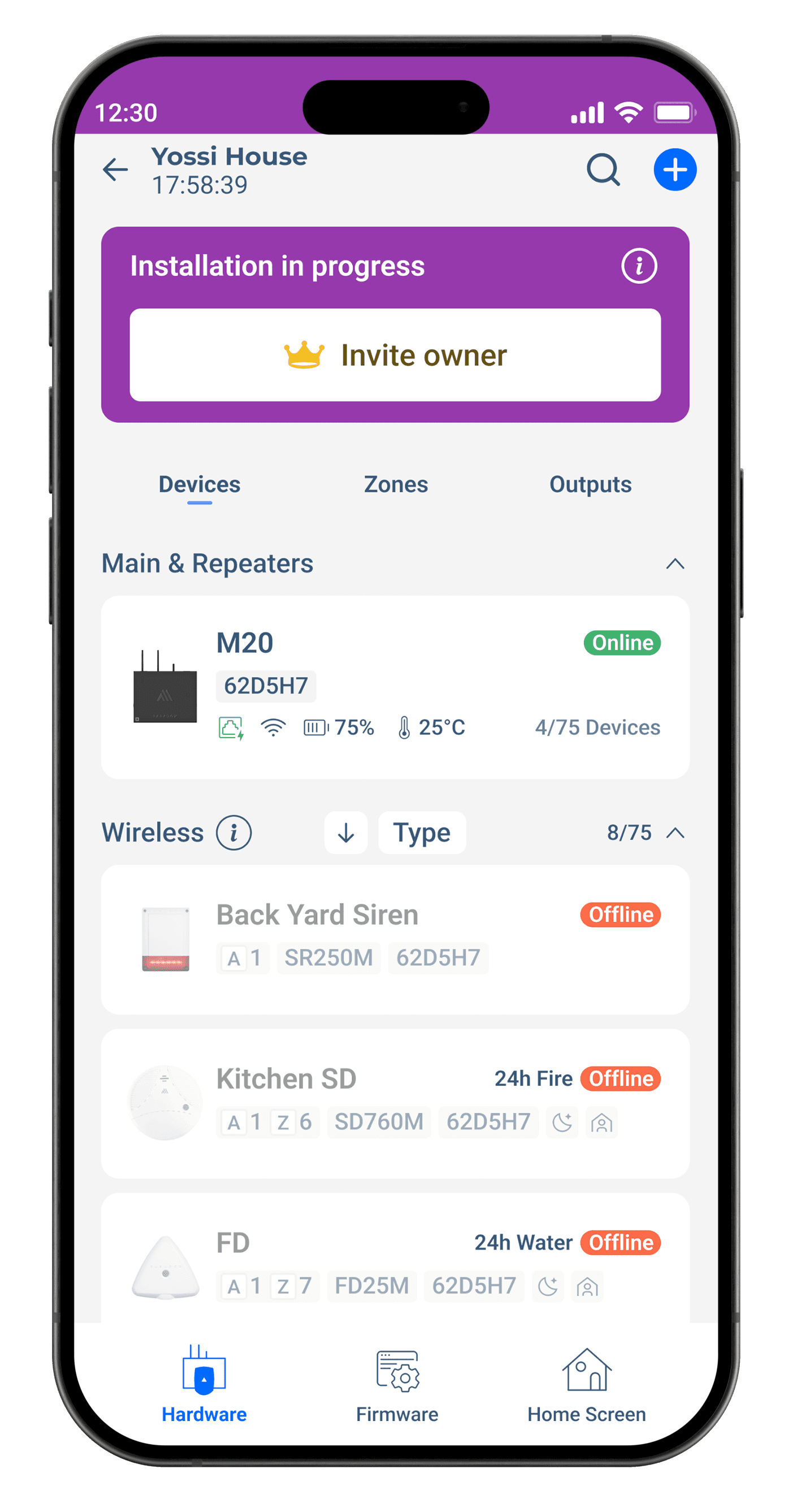
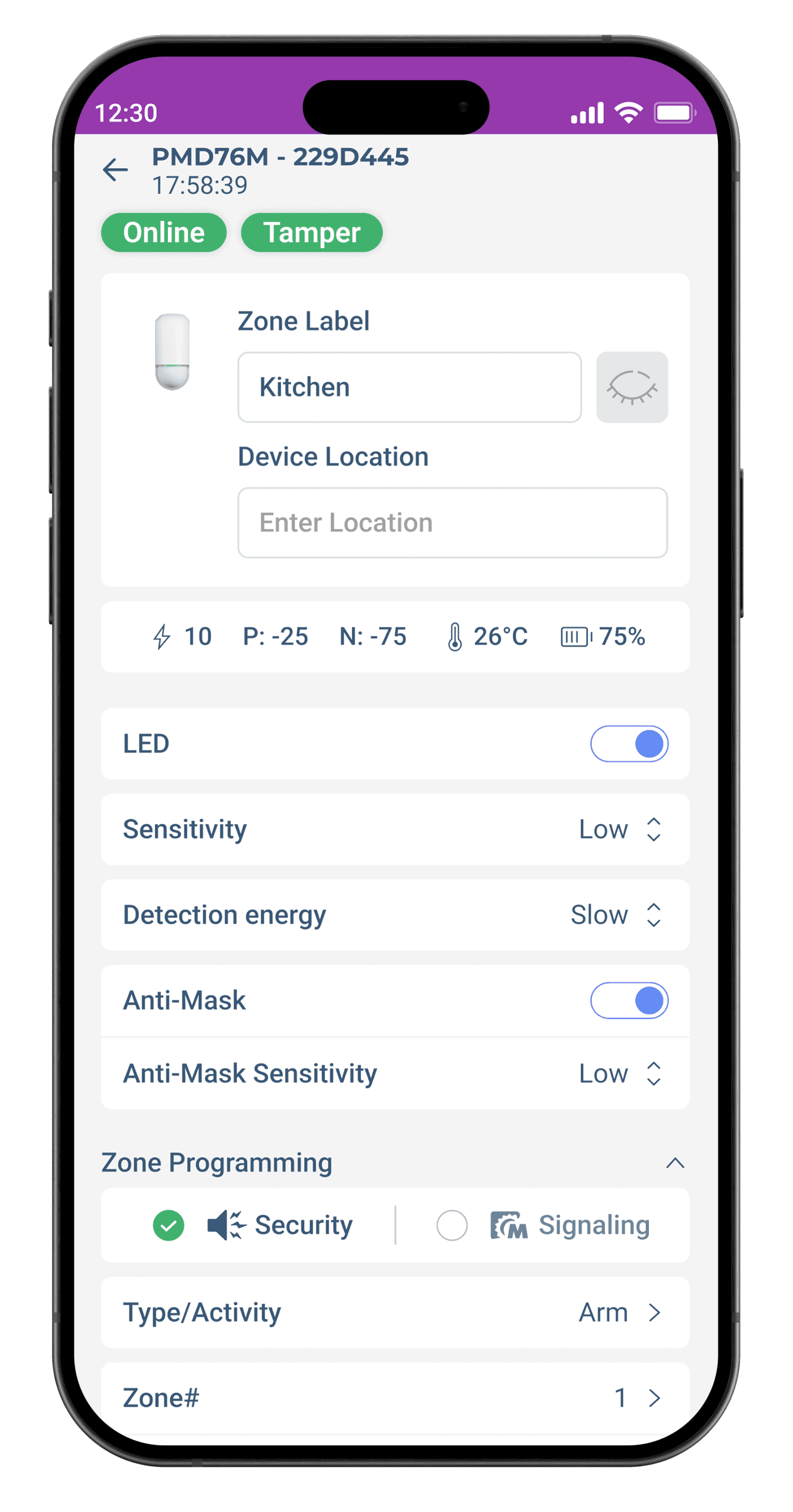
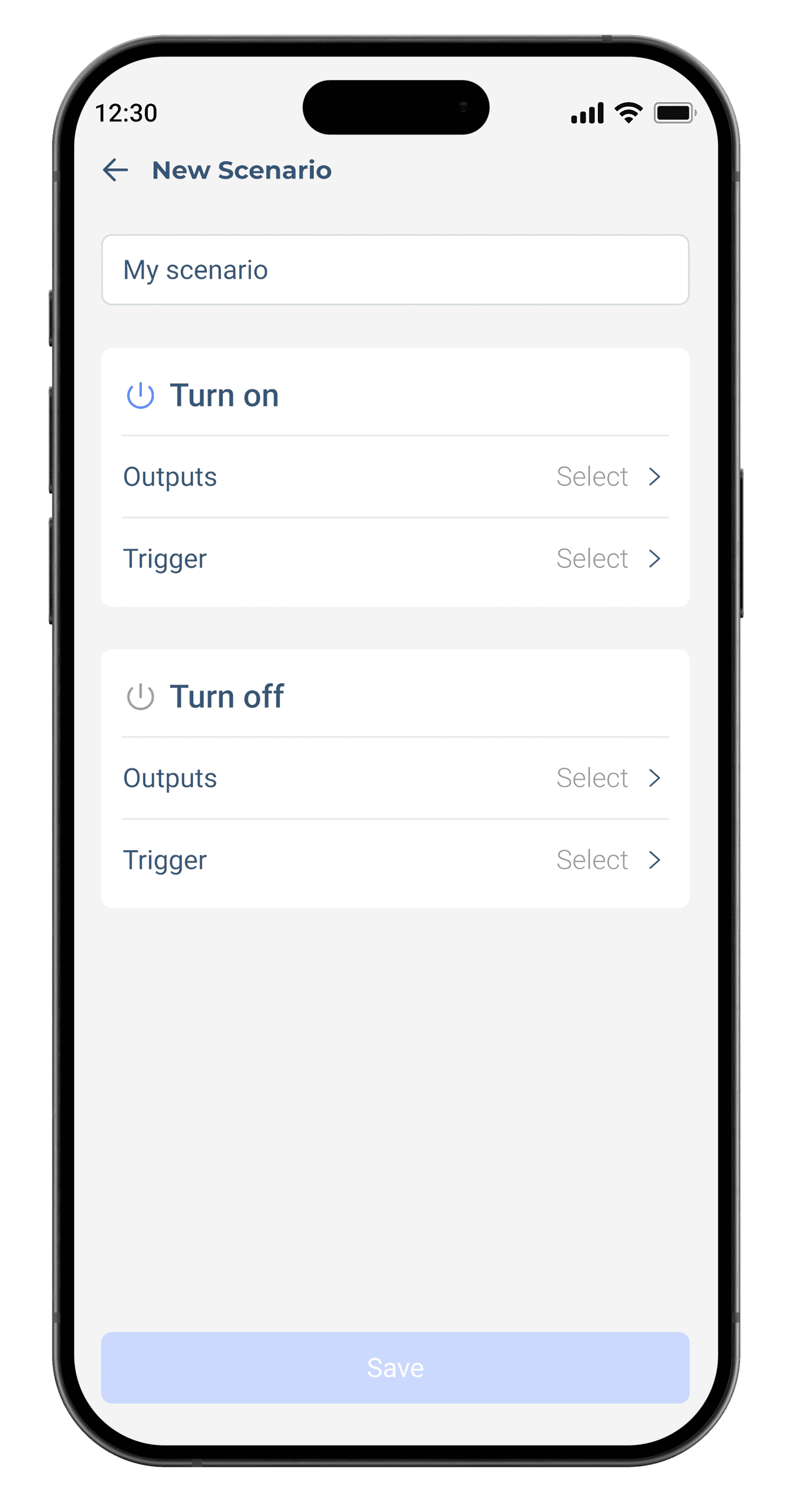
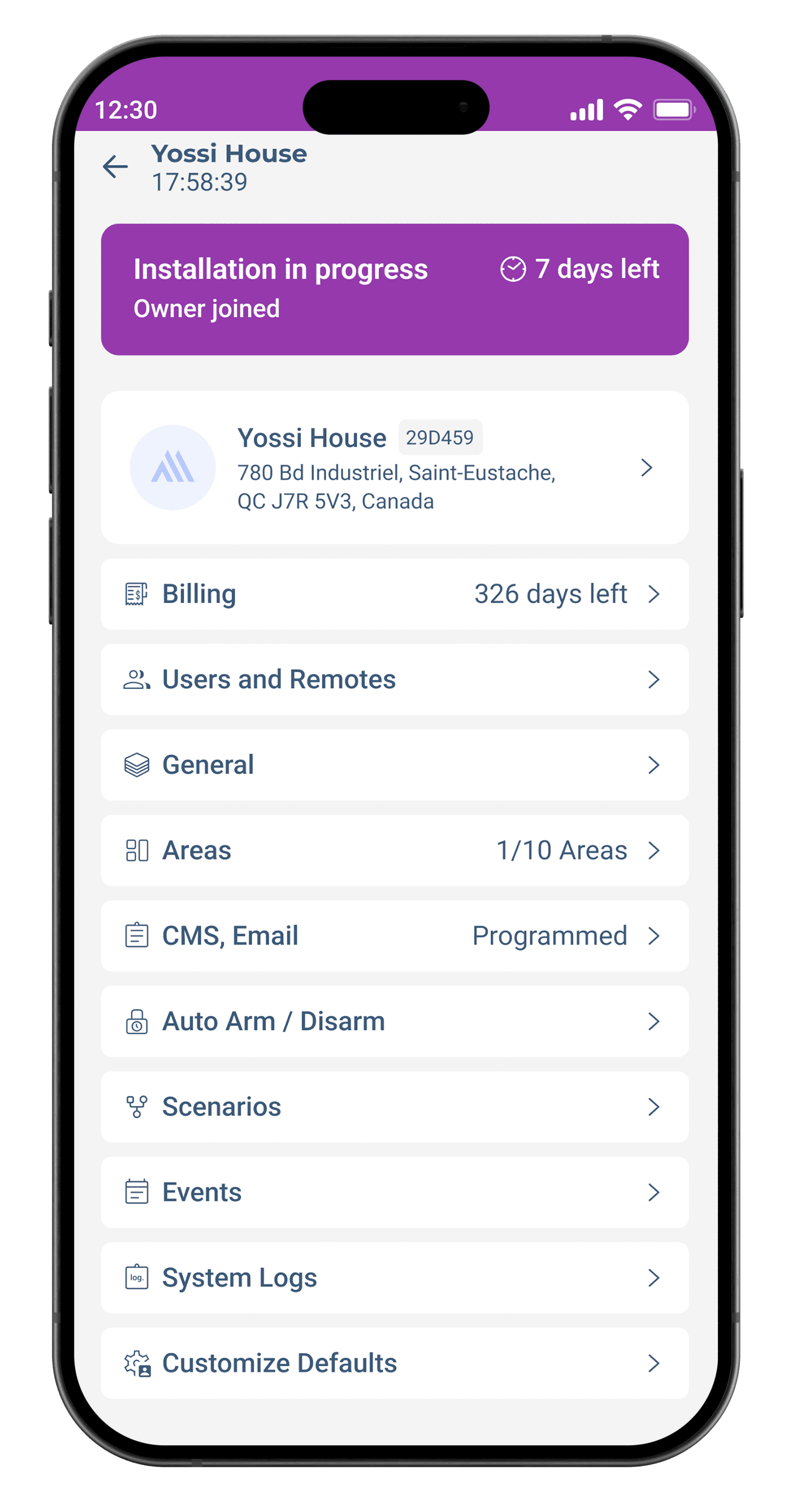
Design a PC version of the existing mobile M Installer app
Support complex multi-zone configurations with wired and wireless devices
Ensure flow clarity for both first-time installers and power users
Maintain UI consistency with mobile while leveraging desktop advantages
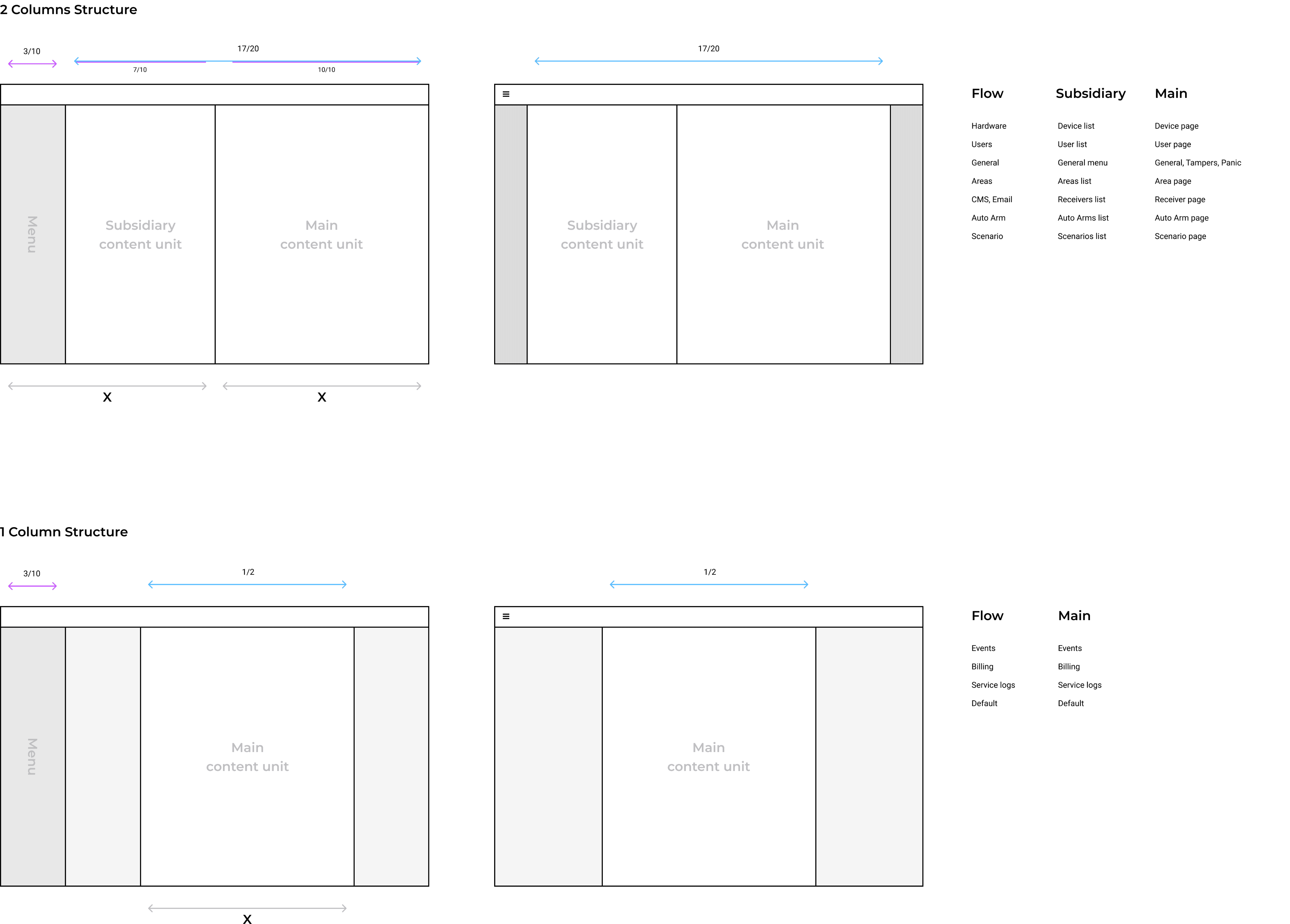
Grid System
for the PC software was designed to support complex workflows while maintaining visual clarity and consistency across large interfaces. A flexible multi-column layout allowed different panels, diagnostics, device lists, and configuration tools to coexist without overwhelming the user. Spacing, alignment, and responsive behavior were standardized to create predictable interactions and improve scanability during long sessions. The system also supported scalability, enabling new modules and tools to integrate seamlessly into the interface. By establishing a structured layout foundation, the grid system improved usability, reduced visual clutter, and helped installers manage multiple tasks efficiently within a professional desktop environment.

User Flow Architecture
for the PC software was built around logical task progression and modular navigation. Related actions such as setup, monitoring, diagnostics, and maintenance were grouped into connected workflows, reducing unnecessary transitions. The structure helped installers move efficiently between tools while maintaining context across complex system configurations and multi-device environments.

Design System
The design system for PC software was created to support complex professional workflows while maintaining consistency across a large-scale security platform. Installers regularly interact with diagnostics, device trees, alerts, configurations, and live system states, making clarity and predictability essential.
The system included reusable components, layout structures, typography standards, spacing rules, semantic color tokens, and interaction patterns designed specifically for data-heavy environments. Components were built to handle multiple technical states such as connectivity issues, warnings, armed conditions, and device activity without overwhelming the interface.
Special attention was given to hierarchy and multitasking, allowing users to monitor several panels, tools, and system statuses simultaneously. The design system also improved collaboration between design and development teams by creating scalable foundations that accelerated implementation and reduced inconsistencies across the platform.
The result was a more maintainable, efficient, and user-friendly experience for professional installers working in demanding technical environments.


Main Flows
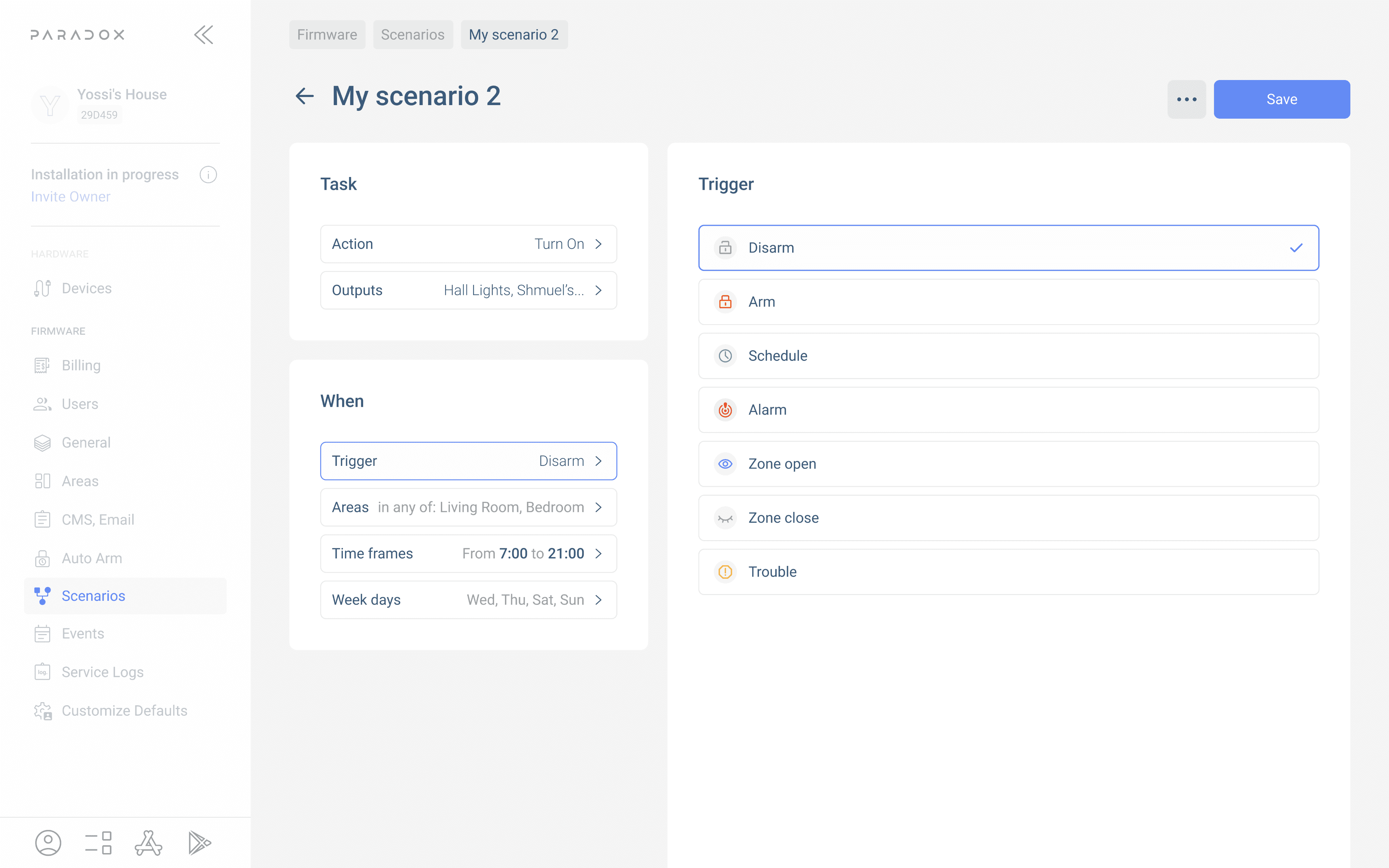
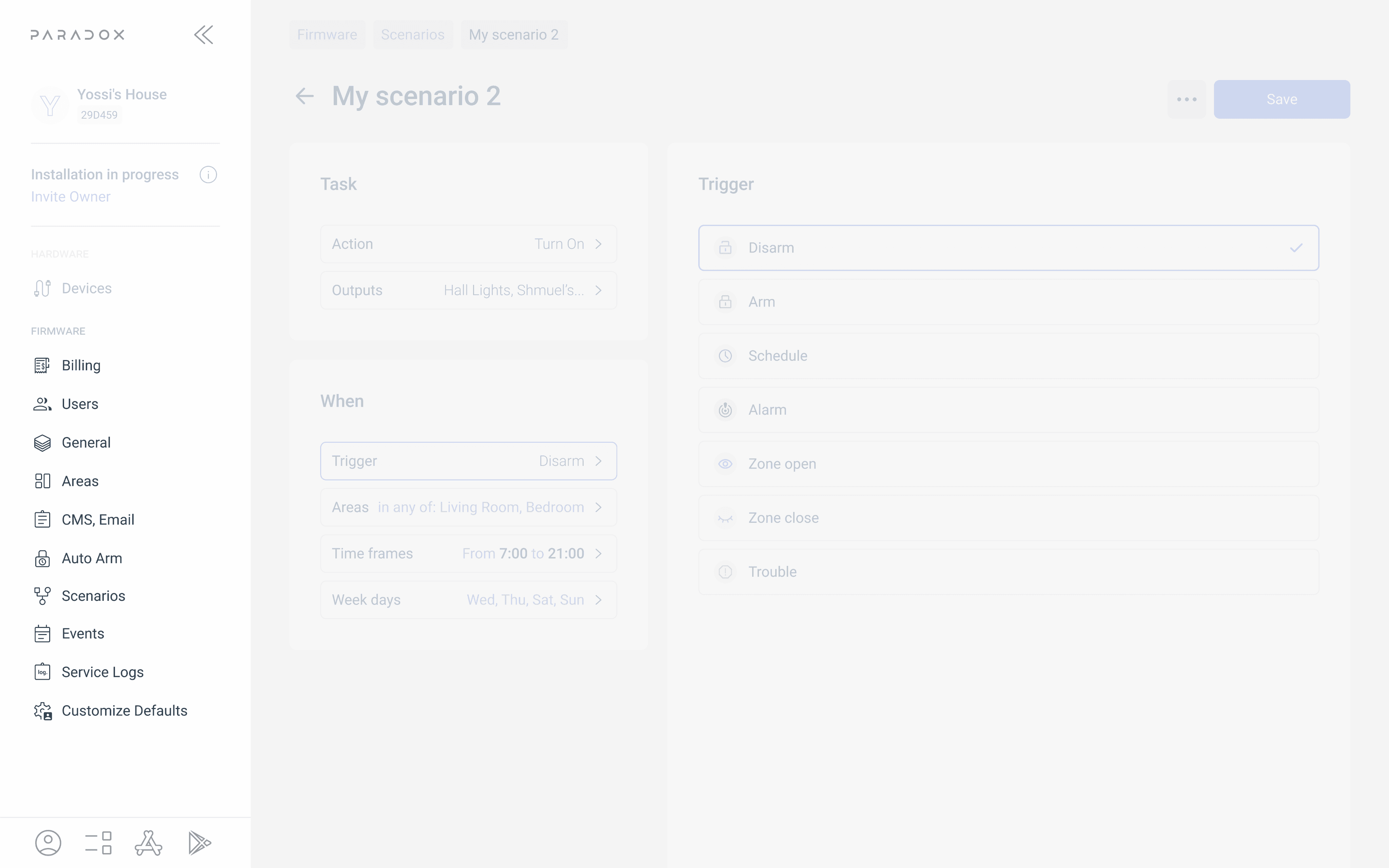
The main flows in PC software were designed to support professional installers managing complex security systems across multiple sites and devices.
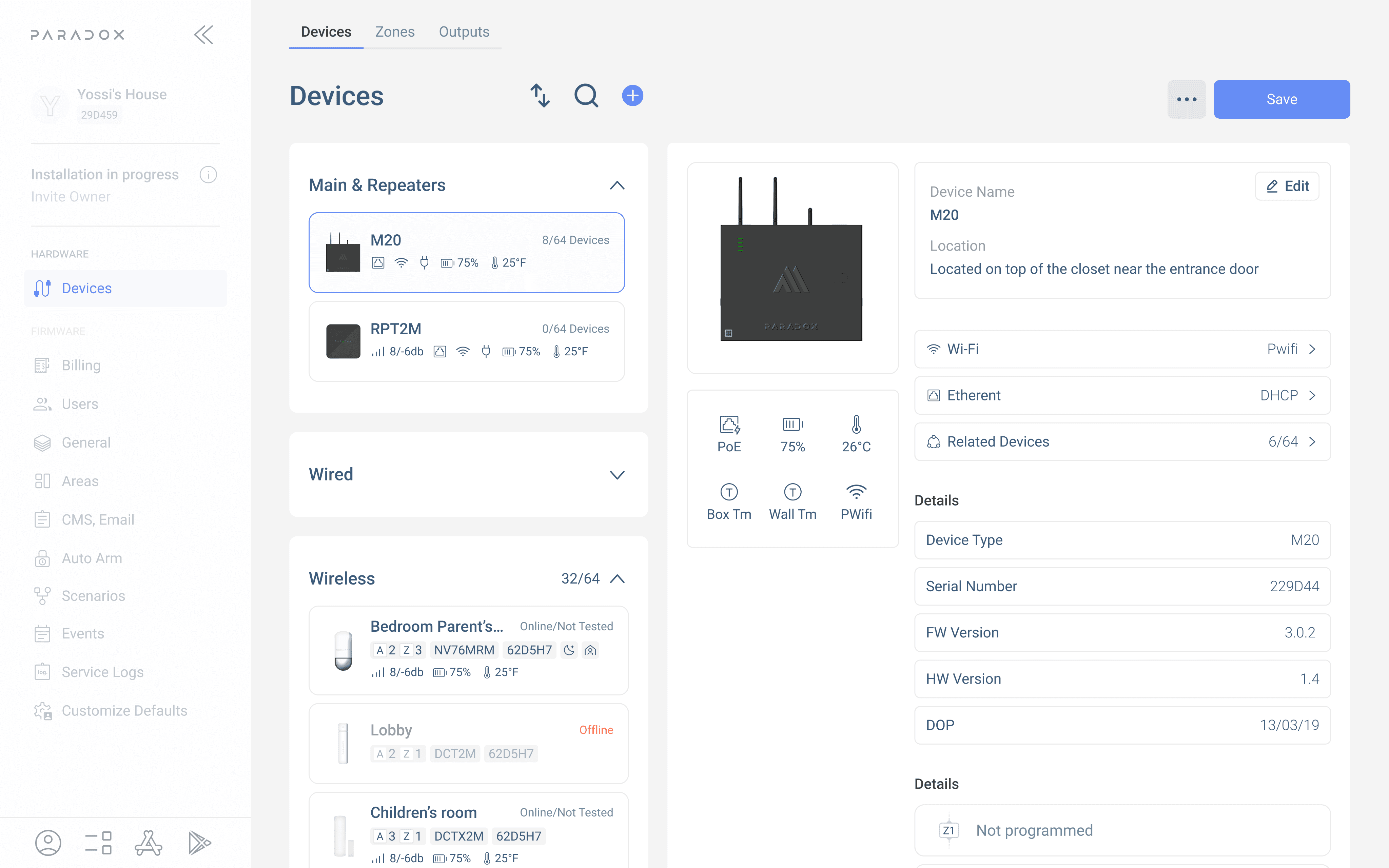
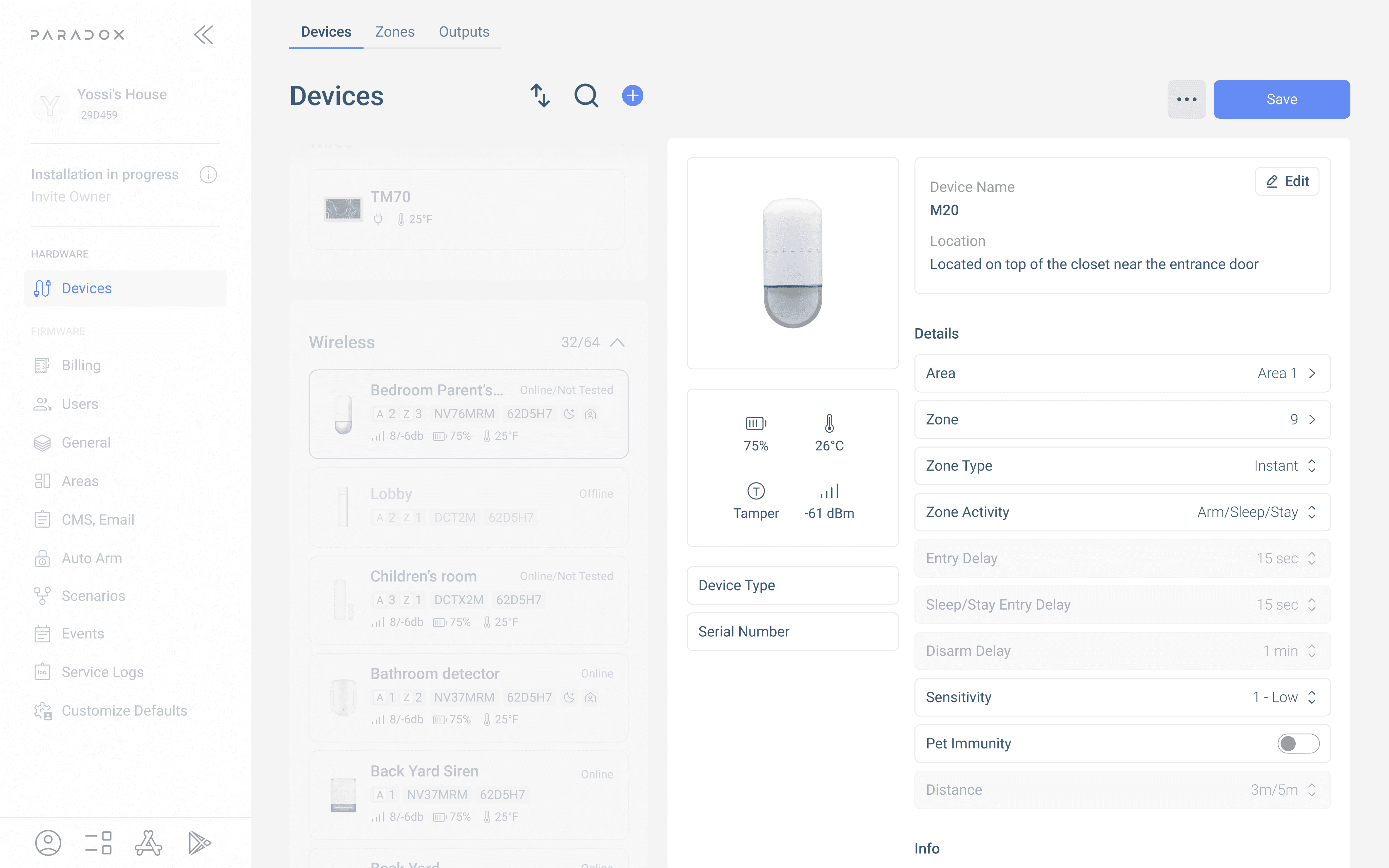
Core workflows included system configuration, device enrollment, live diagnostics, firmware management, area and zone programming, user permissions, camera integration, and remote troubleshooting. The platform also supported monitoring real-time system activity, reviewing alerts, and managing automation settings from a centralized workspace.
Because installers often work with large amounts of technical information simultaneously, the experience focused on fast navigation, clear hierarchy, and efficient multitasking. The goal was reducing setup complexity while improving speed, visibility, and overall operational control.
Summary